



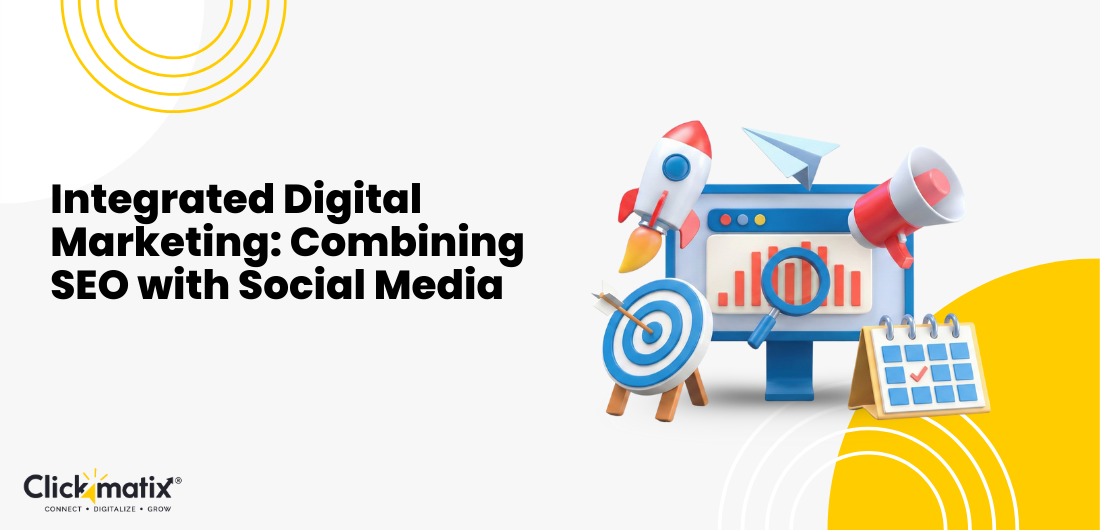



Many businesses run SEO and social media as if they belong to different worlds, with separate plans, teams, and budgets. When the two operate without connection, a lot of potential reach and impact goes unused.
The most successful businesses recognise that SEO and social media are not rivals. They function as connected parts of a broader digital system, where progress in one strengthens the other.
Once you understand how to align both disciplines, the benefits become clear: higher traffic, stronger credibility, better conversions, and an advantage that lasts. When the plan is thought through, these channels stop operating on separate tracks.
Social platforms extend the visibility that search already delivers, and content built for search often performs well when reshaped for social use. Working together, these channels create a stronger, more responsive system that lifts the overall impact of your marketing.
This comprehensive guide teaches you how to develop an integrated digital marketing strategy that maximises the combined impact of SEO and social media, creating compounding returns that exceed what either channel could achieve on its own.
Understanding the SEO-Social Media Connection
Before developing integration strategies, it’s important to understand how SEO and social media relate to and influence one another.
For years, SEO professionals debated whether social signals directly impact search rankings. Google’s stated position is that social signals are not direct ranking factors.
A post with 10,000 shares will not automatically outrank one with 10. This limited view misses the wider link between social engagement and search outcomes.
Even if social interactions do not serve as direct ranking inputs, the visibility and momentum created on social platforms lead to meaningful SEO gains.
When your content spreads quickly across these channels, several outcomes follow. Dramatically increased visibility drives more clicks to your content from social platforms. Increased awareness translates to more brand searches on Google.
More people linking to your viral content creates valuable backlinks. Increased traffic signals user satisfaction to Google. More people reading and engaging with your content generate positive engagement signals.
These indirect effects link social momentum to stronger search performance. The lift comes from the activity around the content, not from social signals acting as ranking factors.
This point helps explain why a connected digital approach works: social platforms shape the environment in which content performs, even if they do not directly influence rankings.
Social platforms also give your content a head start before it begins attracting visitors through search. Once you share it, people can react right away, helping you gauge interest, collect quick feedback, and see which topics or formats resonate with your audience. This early response often guides what deserves further refinement or wider promotion.
Content Distribution Strategy That Brings Your Channels Together
An effective SEO social media strategy starts with sophisticated content distribution.
Create content once, distribute broadly. Rather than creating different content for SEO and different content for social media, develop core content assets optimised for search that you then distribute across social platforms. A comprehensive blog post becomes the primary asset. The same content then fuels social media strategy through summaries, quotes, graphics, videos, and other variations.
This method helps you get far more value out of every piece of content you produce. If you create ten comprehensive SEO-optimised blog posts monthly, you have ten core assets that can generate eighty to one hundred social media posts through repurposing and reformatting. Rather than spending time creating standalone social content, you amplify the assets you’ve already made.
Keep the core message consistent, but shape it to match the style and structure of each platform. A LinkedIn post reads very differently from an Instagram update, and both differ from a Twitter thread. Adjust the layout and style so the content feels natural to the audience on each channel.
Build a content calendar that links your SEO publishing schedule with your social distribution plan. Rather than putting out a blog post and hoping it circulates, build social promotion into the workflow. Draft posts early, decide when and where each version will appear, and follow a steady cadence to increase visibility.
Set up systems that keep your evergreen content in circulation over time. Your best-performing evergreen content from months or years ago continues to deliver value. Rather than letting it fade, systematically re-share and redistribute evergreen content. This keeps valuable content in front of new audiences and reinforces its importance to Google.
Leveraging Social Media for Link Building
Social platforms do more than send visitors to your site. They also help attract backlinks, which continue to play a key role in strengthening search performance.
Share your work with influencers and industry voices who are likely to find it helpful. When someone with reach highlights your content on social platforms, new audiences discover it and may reference or link to it. This creates a ripple effect in which social sharing leads to additional earned links over time.
Publish research, original data, and unique insights that people want to reference and link to. When your content contains novel data or insights, social sharing dramatically increases the likelihood that others will cite it and link to it. Researchers, journalists, and content creators constantly seek original sources to cite.
Use social media engagement to identify link opportunities. When people engage with your content on social media, examine their profiles and connections. Journalists, bloggers, and researchers engaging with your content often represent potential link sources or collaboration opportunities.

Get weekly insights for revenue-shifting results
Sign up for our newsletter and be the first one to know about our exclusive offers, digital marketing news and updates.


Create “link-worthy” content specifically designed for social sharing and subsequent linking. Infographics, original research, comprehensive guides, and other high-value formats perform exceptionally well on social media and generate substantial link volume when they resonate with audiences.
Building Brand Authority Through Integrated Marketing
Integrated digital marketing strengthens brand authority by creating steady, coordinated visibility across all major touchpoints.
Social reach reinforces the authority you build through search. When people notice your content is often shared, discussed in a positive light, and actively engaged with on social platforms, they become more familiar with your brand and start viewing it as a reliable voice in the space. When these users later encounter your content in search results, the familiarity built earlier shapes their choice. Users often choose search results based on names they already recognise, which gives your listing a stronger chance of being selected.
This brand effect compounds over time. Businesses that systematically build social presence and share quality content develop brand recognition that translates to higher organic click-through rates. Users searching for similar keywords are more likely to click your result because they recognise your brand.
Create consistent messaging and visual identity across SEO and social channels. Use consistent brand voice in blog posts and social content. Use consistent visual styling, colours, and imagery across channels. This consistency reinforces brand recognition and creates professional cohesiveness that builds authority.
Establish thought leadership through coordinated content across channels. Establish your expertise by producing well-researched, search-focused content and pairing it with thoughtful commentary on social platforms. This combination strengthens your presence wherever your audience interacts with you and builds a consistent sense of credibility.
Social Proof and Engagement Signals
Social media engagement creates social proof that influences user behaviour and SEO outcomes.
Comments, shares, and engagement on social media create visible social proof. When potential customers see that content has hundreds of shares and positive comments, they perceive that content as more credible and valuable. This social proof influences both social platform behaviour (people are more likely to click content with visible engagement) and subsequent search behaviour.
Encourage social engagement explicitly. Ask questions in social posts that prompt responses. Create content that generates discussion and debate. Use calls-to-action that encourage sharing. Higher engagement not only boosts social platform visibility but also creates the social proof that influences audience perception.
Moderate comments and actively manage social conversations. Active community management, where you respond to comments and engage with your audience, builds loyalty and encourages more engagement. Communities tend to view brands that take part in conversations and respond to people as more reliable and trustworthy.
How Users Experience Your Brand Across Platforms
Integrated digital marketing requires a consistent, high-quality user experience across social and search channels.
Ensure your landing pages and the rest of your site offer a solid, user-friendly experience. Social platforms can bring visitors to your site, but if the destination feels slow, confusing, or dated, those visitors are far less likely to take meaningful action. Make sure landing pages load quickly, present information clearly, and provide obvious conversion paths. Social traffic only benefits SEO if it converts well.
Implement mobile-first design across all digital properties. Whether users arrive through social (where most users are mobile) or search results (where mobile is increasingly dominant), ensure a seamless mobile experience. Poor mobile experience on your website hurts both conversion rates and SEO rankings.
Create a consistent experience across social profiles and the website. Users moving from your social profiles to your website should encounter consistent branding, similar information architecture, and complementary messaging. Jarring differences create confusion and reduce conversions.
Using Hashtags to Strengthen Search Visibility
While hashtags primarily function as social organising tools, they connect to broader SEO strategy in important ways.
Research hashtags that align with keywords you target in SEO. Hashtag research often reveals how audiences talk about topics you optimise for. If research shows that your target audience uses #LocalSEOServices frequently, incorporating that topic and terminology into your SEO content aligns your strategy with the audience’s language.
Create branded hashtags that build brand equity across channels. A consistent branded hashtag used across social media increases brand visibility and creates trackable conversations around your brand. People searching branded hashtags on social platforms find your content, then some later find you through search.
Use hashtags strategically rather than indiscriminately. Research shows that posts with three to five relevant hashtags typically perform better than posts with numerous hashtags. Choose hashtags strategically based on relevance and audience size, rather than including every possible hashtag.
Video Content: Amplifying Both Channels
Video has become increasingly important for both SEO and social media, making it a powerful focus for an integrated strategy.
Publish videos on social platforms strategically. YouTube, Instagram, TikTok, and LinkedIn all prioritise video content. Publishing videos across these platforms builds social media visibility while simultaneously building YouTube authority, which is itself a powerful search channel.
Optimise video titles, descriptions, and tags for search. While social platforms have distinct algorithms, treating video titles and descriptions as SEO-important content helps videos perform better on social platforms and YouTube search. Video descriptions with relevant keywords help YouTube and Google better understand video content.
Embed videos on your website. Videos published on social platforms and YouTube can be embedded on your SEO-optimised web pages, increasing engagement metrics on those pages. Embedded video typically increases time on page and reduces bounce rates, positive signals for search engine ranking.
Repurpose video content across platforms. A single long-form YouTube video can be broken down into short clips for Instagram Reels, TikTok, LinkedIn, and other channels. Instead of producing a new video for every platform, create strong core footage and reshape it to fit each format.
Email Marketing Integration
Email often overlaps with both SEO and social media strategies, creating additional opportunities for integration.
Use email to distribute content to your audience, building initial engagement that creates signals visible across channels. When you email subscribers about new content, their clicks and engagement with that content signal its value to platforms.
Share social content in email newsletters. Curate high-performing social content and share it with your email audience. This repurposes social content while simultaneously driving engagement metrics across both channels.
Collect email subscribers from both social media and your website. The email list itself becomes an asset independent of platform algorithms. Email subscribers can be re-engaged with new content, old content, special offers, and other messages, regardless of changes in social or search algorithms.
Community Building Across Channels
Integrated digital marketing extends beyond distribution to building communities that sustain engagement across channels.
Create communities around topics you optimise for. Groups on Facebook, subreddits, Discord servers, or LinkedIn groups focused on your core topics build engaged communities that discover your content through multiple channels and across time.
Encourage community members to share your content. Active communities often share relevant content organically. When people in your community find your content helpful, they often pass it along to others, giving your reach a natural lift.
Use community feedback to inform content strategy. Active communities provide input on which topics matter most, the questions your audience has, and the challenges they face. This feedback guides both SEO content creation and social media strategy.
Measuring Integrated Digital Marketing Success
Proper measurement requires tracking how SEO and social media efforts influence each other.
Implement cross-channel attribution tracking. Track which pieces of content drive traffic from social platforms to your website and how that traffic converts. Track which SEO-optimised pages generate social sharing and engagement. Understanding these flows reveals which content types perform well across channels.
Monitor brand search volume changes. As social media visibility increases, track whether brand search volume on Google rises as well. Growing brand searches indicate that social media is building awareness that translates to search engine behaviour.
Track click-through rates for branded search keywords. When people search your brand name on Google, do they click your official website? Strong click-through rates indicate that social media and other brand awareness efforts are working. Weak click-through rates despite high search volume suggest brand confusion or negative brand perception.
Measure content performance across distribution channels. Track which content types rank well in search. Identify content that excels across both channels versus content that performs well in one channel but poorly in another.
What Goes Wrong in SEO–Social Integration
Several mistakes undermine the effectiveness of integrated digital marketing.
Avoid treating SEO and social media as entirely separate strategies. Integration requires shared objectives and coordinated execution. Siloed strategies miss the opportunity for amplification.
Steer clear of getting caught up in social metrics that do not support real marketing goals. A post with ten thousand likes may look impressive, but if it does not bring qualified visitors to your site or support your wider objectives, it is not a meaningful win. Prioritise the measures that reflect genuine business impact.
Also, avoid presenting different versions of your brand across channels. Keep your tone, values, and visual style consistent so your audience recognises you wherever they interact with your content. Dramatically different tones, messaging, or visual identities across channels confuse audiences.
Avoid ignoring conversion metrics. Traffic is valuable only when it converts. If social media drives high-volume traffic that doesn’t convert, the channel isn’t serving your business objectives. Optimise for conversions, not just traffic.
Avoid reactive-only content creation. While reacting to trends has value, deliberately creating high-quality content optimised for both search and social ensures you’re not dependent on trending topics for visibility.
Real-World Integrated Marketing Examples
Different business types benefit from different integration approaches.
Tech companies often stand out in integrated digital marketing. They publish detailed technical articles that rank well in search, then push those same pieces across social platforms where tech audiences are most active. This combination brings in steady organic traffic and strong social lift.
E-commerce brands follow a similar pattern by creating product guides tailored for search visibility and then showcasing them on platforms such as Instagram Shopping and Pinterest. This approach builds awareness, encourages socially driven purchases, and increases the volume of visitors coming through organic search.
B2B service firms integrate by publishing case studies and thought leadership content optimised for search, then sharing insights and key takeaways on LinkedIn, where decision-makers congregate. This builds both organic search authority and LinkedIn network effects.
Local service businesses integrate by creating location-specific content optimised for local search, then promoting this locally through social media to build community awareness and generate local leads.
The Future of Integrated Digital Marketing
Digital marketing continues evolving in ways that strengthen SEO-social media integration.
AI-powered content distribution becomes increasingly sophisticated. Tools that automatically adapt content for different platforms will make content distribution easier and more effective.
Search results increasingly incorporate social elements. Google occasionally shows social posts in search results. LinkedIn shows some results in Google search. This blurring between search and social encourages integration.
Privacy regulations continue restricting tracking. Integrated digital marketing that builds owned audiences through email and communities becomes more valuable as third-party tracking becomes less reliable.
Final Thoughts
Integrated digital marketing that combines SEO with social media strategy represents a major opportunity for businesses still treating these channels separately. By developing coordinated content strategies, leveraging social media for link building and authority, building brands across channels, and measuring cross-channel impact, you create compounding effects that exceed what either channel achieves on its own.
The businesses winning in digital marketing today aren’t those choosing between channels or executing channels independently. They understand that SEO and social media operate within the same interconnected system, where strong performance in one channel increases the impact of the other. When you apply the integrated methods outlined in this guide, your business gains far more from its digital efforts and builds an advantage that continues to strengthen with time.
In search for strategic sessions?
Let us understand your business thoroughly and help you
strategies your digital product.
It's time to call your business-
a brand!
 Australian Owned Agency
- Save Time and Money
- Unbeatable Value
- Where Work Gets Done
 Australian Owned Agency
 Save Time and Money
 Unbeatable Value
 Where Work Gets Done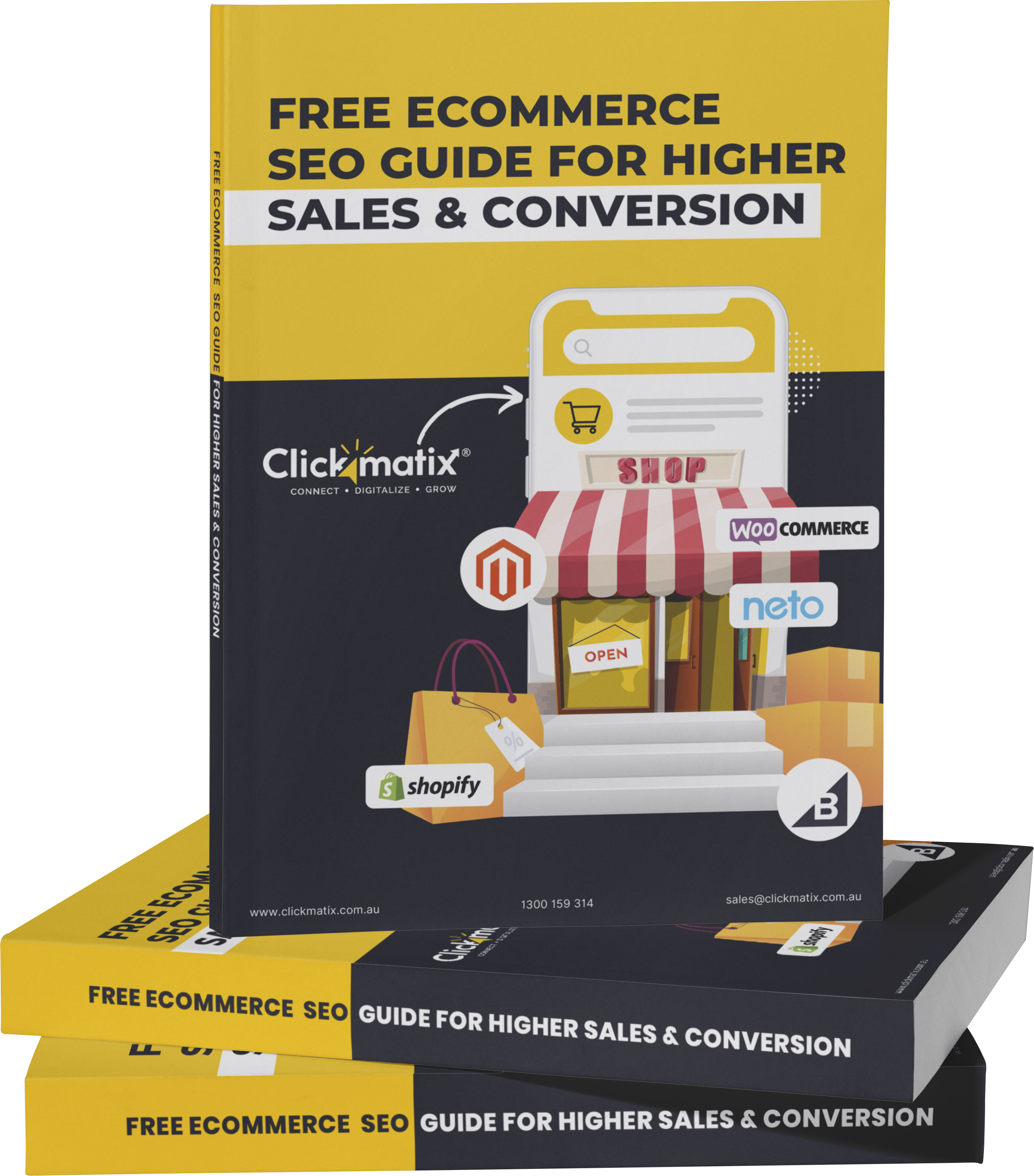
free Ecommerce SEO guide for Higher Sales & Conversion

THE ULTIMATE MARKETING GUIDE FOR LAWYERS
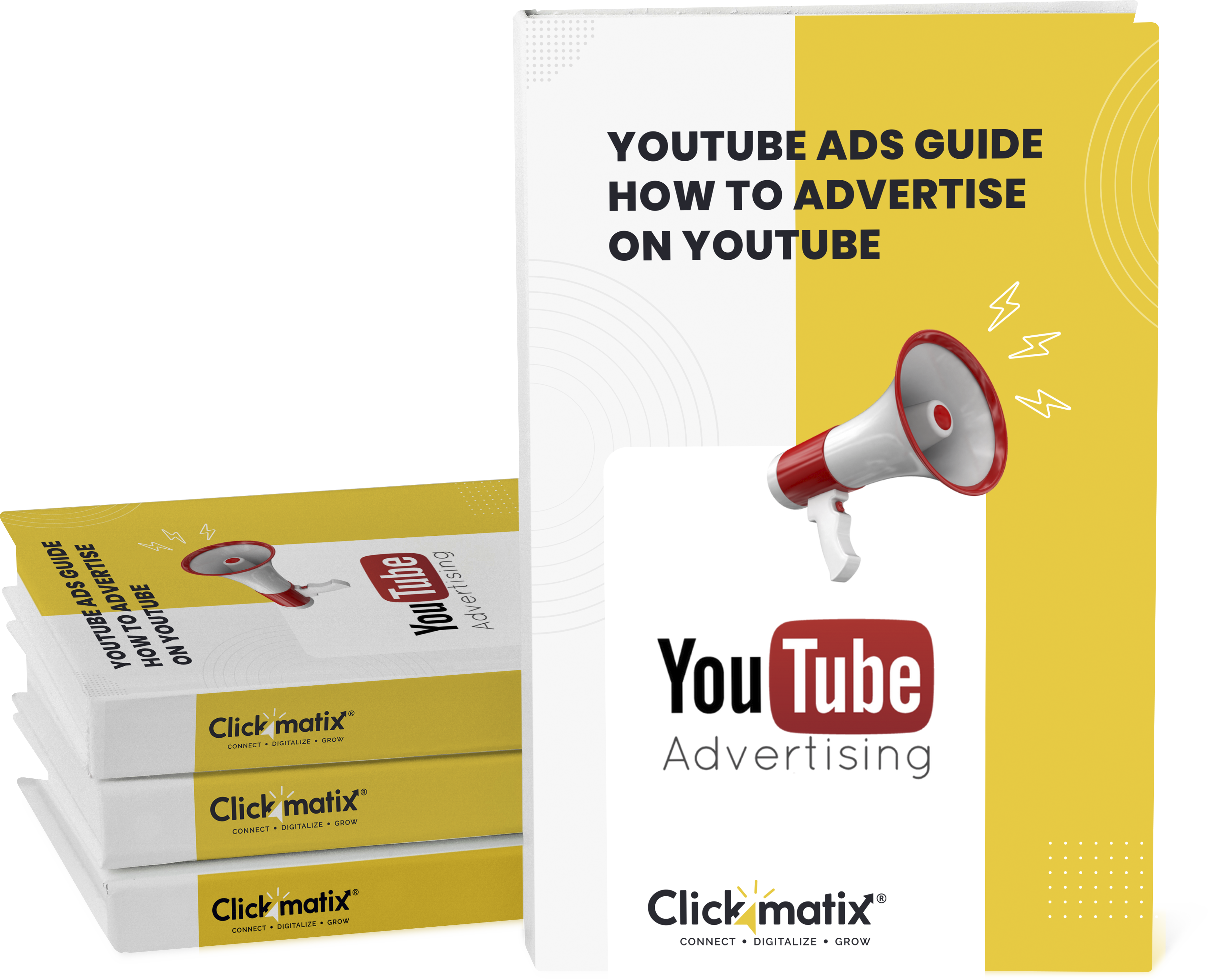
Youtube Ads Guide How to Advertise on Youtube
free Ecommerce SEO guide for Higher Sales & Conversion


It's time to call your business-
a brand!
- Australian Owned Agency
- Save Time and Money
- Unbeatable Value
- Where Work Gets Done


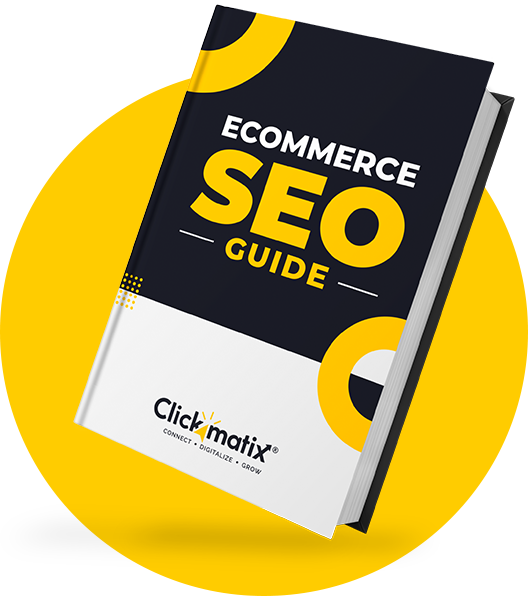
The Game-Changing Ecommerce SEO Guide That Will Blow Your Mind & Sales
With this Ecommerce SEO Guide, you'll be able to:
- Develop a Ecommerce SEO strategy.
- Build a content marketing strategy that aligns with your business goals.
- Convert your website visitors into paying customers.
Youtube ads guide how to advertise on youtube
With this Youtube ads Guide, you'll be able to:
- Develop a Youtube ads strategy.
- Build a type of ads of your own that aligns with your business goals.
- Generate revenue from youtube ads.
It's time to call your business-
a brand!
- Australian Owned Agency
- Save Time and Money
- Unbeatable Value
- Where Work Gets Done