




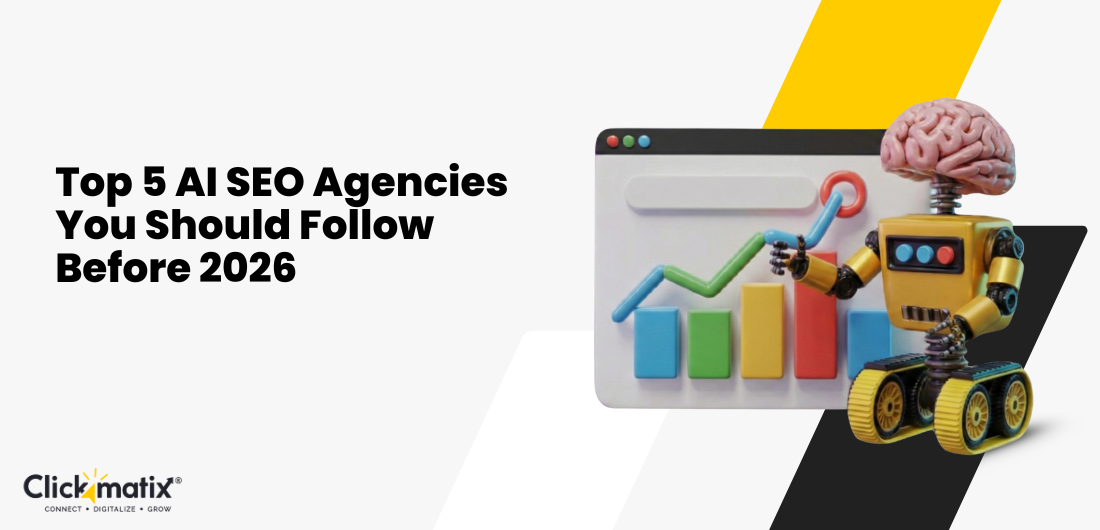



It’s hard to overlook how quickly search has shifted over the last couple of years. Anyone working in digital marketing has felt that change in one way or another. The pace, the updates that appear without warning, and the constant need to figure out what moved and why. AI didn’t just slip into the SEO world; it changed the flow of the entire system. It changed the foundation of how brands approach visibility, and by early 2025, that shift became impossible to brush aside.
When people talk about SEO for AI, they’re referring to something broader than swapping out manual tasks for more innovative software. It’s a way of working where artificial intelligence plays a central role in research, content mapping, auditing, and even predicting what might rank next month. Instead of trying to guess Google’s mood, businesses now rely on machine-led signals that uncover what users truly want.
More companies are leaning toward AI-focused strategies to achieve greater accuracy rather than rely on guesswork. Classic SEO still matters, but the volume of data and the speed at which it changes make older approaches feel slow. This is why SEO agencies around the world have revamped their systems to match the new reality.
This article breaks down the rise of AI in search, why businesses are choosing AI-powered partners, and the leading names shaping the industry right now.
The Rise of AI in SEO
Anyone paying close attention to Google’s behaviour in 2025 would notice something different in how search operates. It no longer feels like a simple set of rules running in the background. The results shift based on patterns that respond to how people speak, what they look for, and how they phrase their questions. You might type something vague and still find exactly what you need, which wasn’t always the case.
Part of that evolution comes from tools like ChatGPT, Gemini, Surfer SEO, and Jasper. A few years ago, these platforms were mostly seen as helpers, nice to have but not essential. Now these tools handle competitive research, shape content outlines, and offer guidance that once needed whole teams working together. It can feel strange watching a cluster analysis load in a few seconds. You almost double-check the data because the speed seems unrealistic. There are moments when you wonder if leaning on automation this much is a good thing, but the old alternative meant sitting through long manual reviews that stretched into weeks.
Traditional optimisation relied heavily on trial and error. Some people still stick to that approach, although most admit the pace of search is moving away from it. AI has changed how campaigns move by catching patterns long before they appear in rankings. Instead of scrambling once positions shift, businesses can adjust earlier. This is useful when Google rolls out an update, because those changes tend to spread quickly.
It’s becoming clear that brands planning to stay visible need to adapt to SEO for AI, not because it sounds futuristic, but because search engines are already operating this way. The landscape will not roll back to older methods.
Why Businesses Need AI SEO Agencies
There’s a moment every business owner reaches when they realise that manual optimisation is no longer keeping up with modern search. Some feel it when a competitor outranks them overnight. Others notice it when content that once performed well starts losing traction for no apparent reason. This is usually when they turn to SEO agencies built specifically for AI-driven environments.
AI-led partners offer predictive strategies, which means you’re not only reacting to the current search climate, you’re preparing for what’s coming next. These systems forecast patterns, highlight content gaps, and automate repetitive tasks that used to drain time and resources. For many brands, the difference is noticeable. Not in weeks but sometimes in days.
Search in 2025 is crowded with AI-generated SERPs, instant summaries, and voice-first answers. It’s not easy to stand out without more innovative tools. Agencies using AI can refine user experience, personalise content, and optimise pages for voice search in ways that feel more precise than traditional rewriting or keyword stuffing. The tech doesn’t replace human thinking, but it gives teams cleaner, more consistent insights.
The payoff comes through faster results, sharper decision-making, and campaigns that scale without dragging internal teams into endless manual audits. That is one reason brands now seek out an SEO agency with genuine AI capabilities rather than one that simply claims to use automation.
Key Features of a Leading AI SEO Agency
A top-level SEO agency specialising in AI won’t simply add a few tools to their stack and claim innovation. They bring structured systems that blend human expertise with automated intelligence.
The essentials usually look like this:
- AI-powered keyword and topic clustering that gives clearer visibility into user intent
- Predictive analytics that estimate content performance before publishing
- Automated technical crawls and backlink monitoring that run continuously
- Personalised content built through AI-supported research and optimisation
- Integration with platforms such as Gemini, ChatGPT, or Search Console APIs
When these pieces work together, brands get optimisation that feels steady instead of reactive. AI handles the heavy lifting while strategists stay focused on direction, tone, and brand quality.
Meet the Top 5 AI SEO Agencies Poised to Lead in 2026
1. Clickmatix
We at Clickmatix stand out as one of the most advanced partners for businesses in Australia, especially those looking for an SEO agency in Sydney that clients trust for measurable outcomes. The company has leaned into AI in a way that feels practical instead of flashy. Our systems run deep content mapping, technical audits, and local SEO automation that adapts to changing search signals.
One thing that sets Clickmatix apart is its focus on data-led storytelling. We don’t produce content just to fill a gap. We build strategies around topics users care about, supported by predictive AI modelling. Some clients from retail, healthcare, and professional services have seen strong lifts in search visibility because the approach feels deliberate and balanced.
Our work in local optimisation is worth mentioning too. Clickmatix uses machine learning to track location-based patterns and adjust campaigns around them. For businesses balancing multiple suburbs or service areas, that level of automation saves a surprising amount of time.
2. StudioHawk
StudioHawk is all about content intelligence, and honestly, their team has earned that reputation. They dig deep into entire topic areas and gauge “authority” in a way manual research just cannot compete with. Brands lean on StudioHawk to plan smart content clusters, spot coverage gaps, and score pages before anything goes live. Enterprise teams, SaaS companies, and big publishers love them because what used to take days suddenly becomes… well, actually doable. Sure, humans still have to steer the ship, but StudioHawk gives writers and strategists a far sharper starting point than staring at a blank doc, hoping inspiration will magically appear.
3. Prosperity Media
Prosperity Media still dominates the on-page optimisation game with impressive finesse. Their team analyses live SERPs, pinpoints patterns among top-performing pages, and translates all that into outlines that feel practical instead of robotic. Businesses appreciate how quickly Prosperity Media can deliver briefs that actually make sense — complete with clear keyword context and helpful competitive comparisons. They basically sweep away the early guesswork of content planning, which is why so many marketers keep them in the mix. And when their insights plug into AI writing workflows, teams can jump from plan to production without detouring into confusion.
4. Gorilla 360
Gorilla 360 has built its reputation around good, clean NLP-backed clarity, without drowning you in complexity (because who needs that?). Their team focuses on readability, relevance, and real-world context rather than overcomplicating the process. Publishers and e-commerce brands love working with them because their guidance consistently lifts overall content quality. And when you mix their suggestions with strong human insight? You get content that reads beautifully and has a much better shot at ranking.
5. Dejan Marketing
Dejan Marketing caters especially to small and medium businesses that want smart, AI-powered SEO support without the headache. Their team provides keyword suggestions, content outlines, and optimisation advice through a clean, friendly workflow that doesn’t make anyone panic. Content teams appreciate the balance of simplicity and usefulness; it’s approachable without being shallow. Dejan Marketing may not aim for enterprise-level complexity, but for everyday optimisation, they’re more than capable of keeping things running smoothly.
How to Choose the Right AI SEO Partner
Choosing the right AI-driven partner is not a decision to rush. Some teams lean heavily on tools but offer little insight. Others blend technology with guidance that feels grounded and direct. The difference becomes noticeable as the campaign progresses.
A reliable partner will show you how their systems work. They’ll explain their automation processes, the accuracy of their reporting, and how they interpret data, rather than simply sending you dashboards. Make sure their tools connect cleanly with your current tech stack, whether that includes analytics platforms, CRM systems, or publishing tools.

Get weekly insights for revenue-shifting results
Sign up for our newsletter and be the first one to know about our exclusive offers, digital marketing news and updates.


It also helps to look at case studies. Not only the polished highlights, but also the outcomes connected to your industry or business model. Compare pricing, delivery scope, and the level of involvement their strategists offer. Human insight still shapes strategy. AI might organise the data, but people are the ones who decide what truly matters.
Future of AI SEO in 2026 and Beyond
The pace of change shows no sign of easing. By 2026, SEO for AI will feel even more embedded in how search engines read and interpret content. We are already seeing early signs of what that future looks like, with ranking signals shifting in real time and site evaluations happening almost instantly through automated systems. Voice and image-based search are maturing, and brands that prepare early will find the transition smoother.
There is a strong chance that predictive content modelling will become standard practice. Imagine knowing how a topic might perform before you even hit publish. That is where AI is heading. The move toward AI-driven SERPs also means brands need partners who can interpret intent more profoundly and with greater nuance.
Working with an agency that understands these changes can help businesses stay ready instead of scrambling later.
Conclusion
AI has already taken its place at the centre of modern optimisation. It helps brands better understand users, interpret search patterns, and create content with a purpose. Businesses looking to stay visible will benefit from partnering with SEO agencies that are built for this new era.
Whether it’s Clickmatix or any of the other leaders mentioned, choosing the right team makes a real difference. If you want visibility that lasts and a strategy that grows with search, now is a good time to explore SEO for AI and what it brings to your business.
In search for strategic sessions?
Let us understand your business thoroughly and help you
strategies your digital product.
It's time to call your business-
a brand!
 Australian Owned Agency
- Save Time and Money
- Unbeatable Value
- Where Work Gets Done
 Australian Owned Agency
 Save Time and Money
 Unbeatable Value
 Where Work Gets Done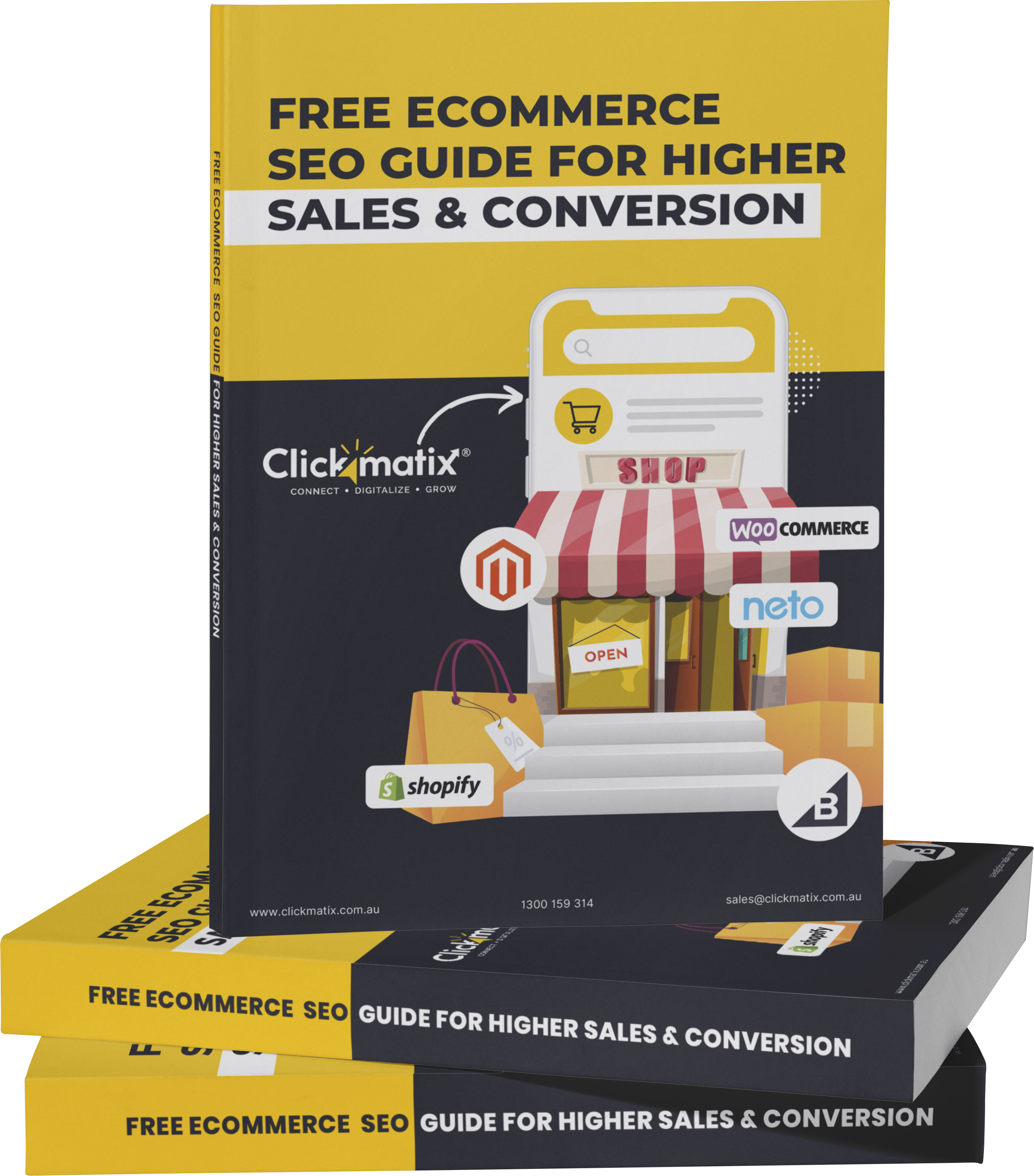
free Ecommerce SEO guide for Higher Sales & Conversion
THE ULTIMATE MARKETING GUIDE FOR LAWYERS

Youtube Ads Guide How to Advertise on Youtube
free Ecommerce SEO guide for Higher Sales & Conversion


It's time to call your business-
a brand!
- Australian Owned Agency
- Save Time and Money
- Unbeatable Value
- Where Work Gets Done


The Game-Changing Ecommerce SEO Guide That Will Blow Your Mind & Sales
With this Ecommerce SEO Guide, you'll be able to:
- Develop a Ecommerce SEO strategy.
- Build a content marketing strategy that aligns with your business goals.
- Convert your website visitors into paying customers.

Youtube ads guide how to advertise on youtube
With this Youtube ads Guide, you'll be able to:
- Develop a Youtube ads strategy.
- Build a type of ads of your own that aligns with your business goals.
- Generate revenue from youtube ads.
It's time to call your business-
a brand!
- Australian Owned Agency
- Save Time and Money
- Unbeatable Value
- Where Work Gets Done