







What is Semantic SEO & Why It Matters in 2026
If your SEO efforts have been focused on exact-match keywords, you’re playing an old game. Now is the era of semantic SEO.
So, what is semantic SEO? Simply put, semantic SEO is the practice of optimising content based on meaning, context, and user intent rather than individual keywords. Instead of repeating a phrase to rank for it, you build content that thoroughly answers questions that users actually want to know.
The shift from keyword-based SEO to intent-based SEO has been happening since Google’s Hummingbird, BERT, and MUM updates. In 2026, with Google’s Search Generative Experience (SGE) reshaping how results are served, semantic relevance is now the foundation of sustainable organic visibility.
Brands that master semantic SEO are winning featured snippets, voice search results, and AI-generated summaries. Those that don’t are getting buried.
This semantic SEO guide will walk you through everything you need to know to get started.
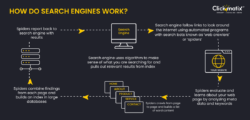
How Search Engines Understand Content
From Keywords to Search Intent
When someone searches “best running shoes for flat feet,” Google doesn’t just scan for those words. It interprets the intent: a user wants tailored product recommendations. Intent broadly falls into four types: informational, navigational, transactional, and commercial. Matching your content format to the right intent type is central to semantic SEO.
Role of Entities, NLP & Knowledge Graph
Google uses Natural Language Processing (NLP) and its Knowledge Graph to understand entities: real-world people, places, brands, and concepts. When your content references relevant entities in context, Google can place it more confidently within its understanding of a topic, boosting your authority signals.
Key Components of Semantic SEO
Search Intent Optimisation
All content should be laser-focused on satisfying a specific user intent. This means choosing the right content format and structuring your information to deliver a complete answer. Example: a how-to guide for an informational query; a service page for a transactional one.
Topic Clusters & Content Hubs
Rather than creating standalone pages, semantic SEO thrives on SEO topic clusters: groups of interlinked content organised around a central pillar page. This signals topical authority to search engines.
Entity-Based Optimisation
Mention real-world entities, such as tools, brands, people, and locations, that are relevant to your topic. For instance, an article on technical SEO that references Screaming Frog and Core Web Vitals reads as genuinely expert.
Structured Data & Schema Markup
Schema markup communicates directly with search engines in their language. Tag your content with the Article, FAQ, or HowTo schema so Google can understand what it’s about and surface it as rich results.
Internal Linking
Thoughtful internal links guide both users and crawlers through your content ecosystem. Connect related pages with descriptive anchor text to distribute authority and reinforce topical relationships.
Semantic SEO vs Traditional SEO
| Feature | Traditional SEO | Semantic SEO |
| Focus | Keyword-focused | Intent-focused |
| Keyword Approach | Exact match keywords | Topic relevance & synonyms |
| Content Structure | Isolated pages | Content clusters & hubs |
| Search Engine Signal | Keyword density | Context & entity relationships |
| Longevity | Fluctuates with updates | Resilient & future-proof |
How to Do Semantic Keyword Research (Step-by-Step)
Understanding how to do semantic SEO starts with research that goes beyond a keyword list. Here’s a proven process:
Step 1: Identify Core Topics
Start with broad, high-value themes relevant to your business. These become your pillar pages. For example, if you’re a digital marketing agency, core topics might include ‘SEO’ or ‘Content Marketing‘.
Step 2: Find Related Keywords & Entities
Use Google Keyword Planner for volume and related terms. Mine the “People Also Ask” box for sub-topic questions. Tools like Ahrefs and SEMrush surface semantic clusters and content gaps efficiently.
Step 3: Analyse Search Intent
Study the top-ranking pages for your query. Are they blog posts, product pages, or guides? Google is showing you what format satisfies that intent; mirror it.
Step 4: Map Keywords to Content Clusters
Assign keyword groups to specific pages. Each cluster page owns a sub-topic; the pillar covers the broad theme. Keep every page semantically distinct to avoid cannibalisation.
Creating Content for Semantic SEO
Write for Topics, Not Just Keywords
Instead of optimising a page for ‘digital marketing tips’, write a comprehensive guide that covers strategy, channels, tools, and measurement. Breadth and depth signal topical authority.
Use Related Terms & Synonyms Naturally
Google’s NLP recognises co-occurring terms. If you’re writing about ’email marketing’, naturally include terms like ‘open rates’, ‘segmentation’, ‘automation workflows’, and ‘subscriber lists’. This semantic richness reinforces relevance without keyword stuffing.
Answer Multiple User Questions
Structure your content to address follow-up questions your reader will have. Use PAA boxes and forums to find follow-up questions, then address them within the same page.
Optimise for Featured Snippets
Featured snippets reward concise, well-structured answers. Use clear H2/H3 subheadings, answer questions directly in the first sentence of a paragraph, and use numbered lists for step-by-step content.
Topic Clusters & Content Silos (Power Strategy)

Get weekly insights for revenue-shifting results
Sign up for our newsletter and be the first one to know about our exclusive offers, digital marketing news and updates.


What Are Topic Clusters?
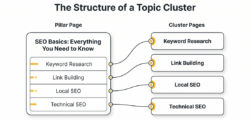
SEO topic clusters are groups of interlinked pages covering a broad topic (the pillar) and its related subtopics (the clusters). This architecture signals to Google that your site has comprehensive, authoritative coverage of a subject.
Pillar Page + Supporting Content Model
The pillar page provides a broad overview of the main topic and links out to cluster pages. Each cluster page covers a specific subtopic in depth and links back to the pillar.
Example:
Pillar Page: ‘The Complete SEO Guide’
- Cluster 1: ‘How to Do Keyword Research’
- Cluster 2: ‘On-Page SEO Best Practices’
- Cluster 3: ‘Technical SEO Checklist’
- Cluster 4: ‘Link Building Strategies’
- Cluster 5: ‘SEO Analytics & Reporting’
Each cluster links back to the pillar, and the pillar links to all clusters. This bidirectional linking creates a powerful semantic web.
Internal Linking Best Practices
- Use descriptive, keyword-rich anchor text
- Link high-authority pages to newer ones
- Ensure no page is left as an orphan
Role of Structured Data in Semantic SEO
What is Schema Markup?
Schema markup is code (in JSON-LD format) added to your page’s HTML that gives search engines machine-readable context about your content, going beyond what the words say to what they mean.
Types of Schema for SEO
- Article Schema: Enables rich results with author, date, and thumbnail
- FAQ Schema: Surfaces expandable Q&A directly in the SERP
- HowTo Schema: Displays step-by-step instructions with images in search results
Benefits for Rankings & Rich Results
In an era of AI-generated search summaries, well-structured content is more likely to be cited as a source. Schema doesn’t boost rankings, but dramatically improves SERP visibility: larger footprint, higher CTR, and stronger eligibility for AI-generated overviews.
On-Page SEO Checklist for Semantic Optimisation
-Use LSI keywords and related terms naturally
-Optimise H1–H3 headings to reflect topic hierarchy
-Add internal links with descriptive anchor text
-Link to authoritative external sources
-Improve content depth and answer follow-up questions
-Add relevant schema markup (Article, FAQ, HowTo)
Tools for Semantic SEO
- Surfer SEO: Real-time content editor showing ideal word count, headings, and semantic terms based on top-ranking pages
- Ahrefs: Best for keyword gap analysis, “Also rank for” terms, and internal link opportunities
- SEMrush: Strong for topic research, keyword clustering, and on-page SEO auditing
For most teams, a combination of Ahrefs (research), Surfer SEO (content optimisation), and SEMrush (auditing) covers the full semantic SEO workflow.
Common Semantic SEO Mistakes to Avoid
- Keyword stuffing: Forces unnatural reading and triggers penalties
- Ignoring search intent: Publishing the wrong content format for a query
- Weak internal linking: Orphan pages and missed authority signals
- Thin content: Superficial coverage no longer competes
- Over-optimisation: Forcing semantic signals creates artificial, low-performing content
Future of Semantic SEO (2026 & Beyond)
The trajectory is clear: search is becoming more conversational, contextual, and AI-driven. Watch out for:
- AI-Driven Results: SGE cites semantically rich, well-structured content as sources in AI overviews
- Voice Search: Conversational, question-based queries reward FAQ and featured-snippet-optimised content
- Contextual Signals: Author expertise, topical authority, and content freshness carry increasing weight
- Post-SGE Visibility: Comprehensive, trustworthy content clusters remain the most reliable path to sustained organic presence
Conclusion
This semantic SEO guide covers everything from keyword research and content clusters to schema markup and internal linking. Sustainable rankings require all of these working together. The brands winning in 2026 are those that think topically, write comprehensively, and structure their content for both users and machines.
Start by identifying your first pillar topic, map out your cluster pages, and implement schema on your highest-traffic content. The foundation you build now will compound well into the future of search.
Ready to Dominate Search? Let Clickmatix Lead the Way.
If you’re still worried about “what is semantic SEO?” and how to master it, contact Clickmatix today to elevate your organic performance in search visibility.
At Clickmatix, we build data-driven SEO strategies tailored for the modern search landscape, from semantic keyword research and topic cluster architecture to schema implementation and technical audits. Call us at 1300 159 314 to discuss strategy.
FAQs
What is Semantic SEO in simple terms?
Semantic SEO is optimising content based on meaning and intent rather than keyword repetition. You create comprehensive, well-structured content that fully answers users’ search queries.
How is Semantic SEO different from traditional SEO?
Traditional SEO targets exact keywords on isolated pages. Semantic SEO builds interconnected content clusters around topics, satisfying user intent more completely and building lasting authority.
Does Semantic SEO improve rankings?
Yes. Aligning content with intent, building topical authority through clusters, and using structured data consistently earn higher rankings, featured snippets, and AI overview citations.
What are examples of Semantic SEO?
Building a pillar page with supporting cluster articles, adding FAQ schema to earn accordion snippets, using related entities and LSI keywords naturally, and structuring how-to content for HowTo rich results.
How do I optimise content for Semantic SEO?
Research intent, build topic clusters, write comprehensively, use related terms naturally, add schema markup, and link internally with descriptive anchor text.
In search for strategic sessions?
Let us understand your business thoroughly and help you
strategies your digital product.



It's time to call your business-
a brand!
 Australian Owned Agency
 Save Time and Money
 Unbeatable Value
 Where Work Gets Done
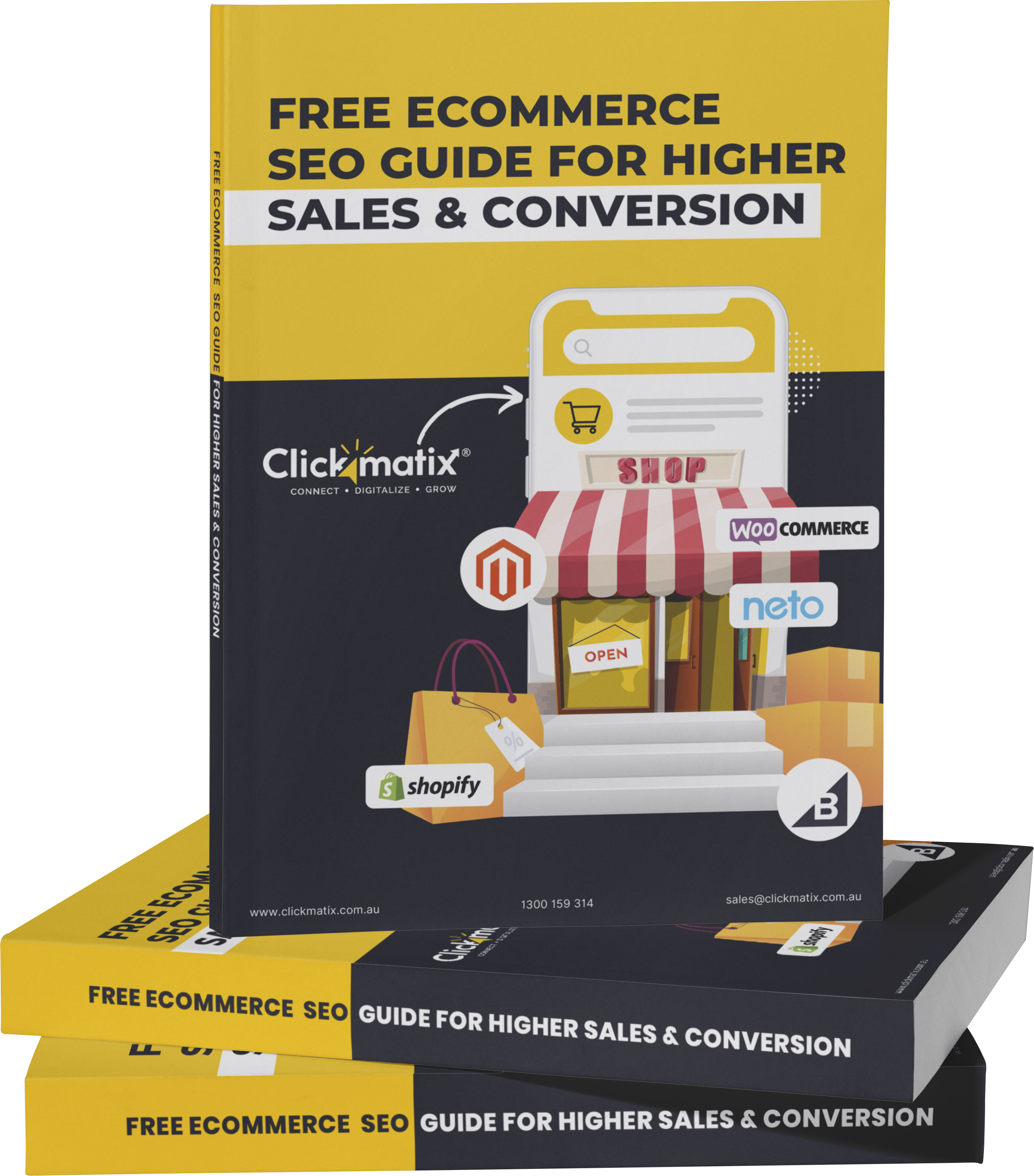
free Ecommerce SEO guide for Higher Sales & Conversion
THE ULTIMATE MARKETING GUIDE FOR LAWYERS
Youtube Ads Guide How to Advertise on Youtube
free Ecommerce SEO guide for Higher Sales & Conversion
It's time to call your business-
a brand!
- Australian Owned Agency
- Save Time and Money
- Unbeatable Value
- Where Work Gets Done


The Game-Changing Ecommerce SEO Guide That Will Blow Your Mind & Sales
With this Ecommerce SEO Guide, you'll be able to:
- Develop a Ecommerce SEO strategy.
- Build a content marketing strategy that aligns with your business goals.
- Convert your website visitors into paying customers.
Youtube ads guide how to advertise on youtube
With this Youtube ads Guide, you'll be able to:
- Develop a Youtube ads strategy.
- Build a type of ads of your own that aligns with your business goals.
- Generate revenue from youtube ads.
It's time to call your business-
a brand!
- Australian Owned Agency
- Save Time and Money
- Unbeatable Value
- Where Work Gets Done