








The debate around Google Discovery Ads vs Display Ads matters because both formats shape how users find brands online. Each ad type works differently, and using the right one can lift visibility, traffic, and conversions.
Google Ads allows businesses to showcase their products and services to a global audience. Among the various ad types within Ads, Discovery Ads and Google Display Ads emerge as powerful tools.
Google Ads reaches more than 3 billion users across its surfaces each day, so choosing the right format can directly influence campaign performance. This guide breaks down their traits, specs, and ideal use-cases.
Key Stats on Discovery and Display Ads
- Google Discover alone reaches 800M+ monthly users.
- The Google Display Network spans 3M+ websites and apps.
- Discovery campaigns often show lower CPCs in lead-gen verticals.
- Display campaigns commonly deliver higher impression volume.
- Carousel formats are supported only in Discovery campaigns.
What are Google Discovery Ads?
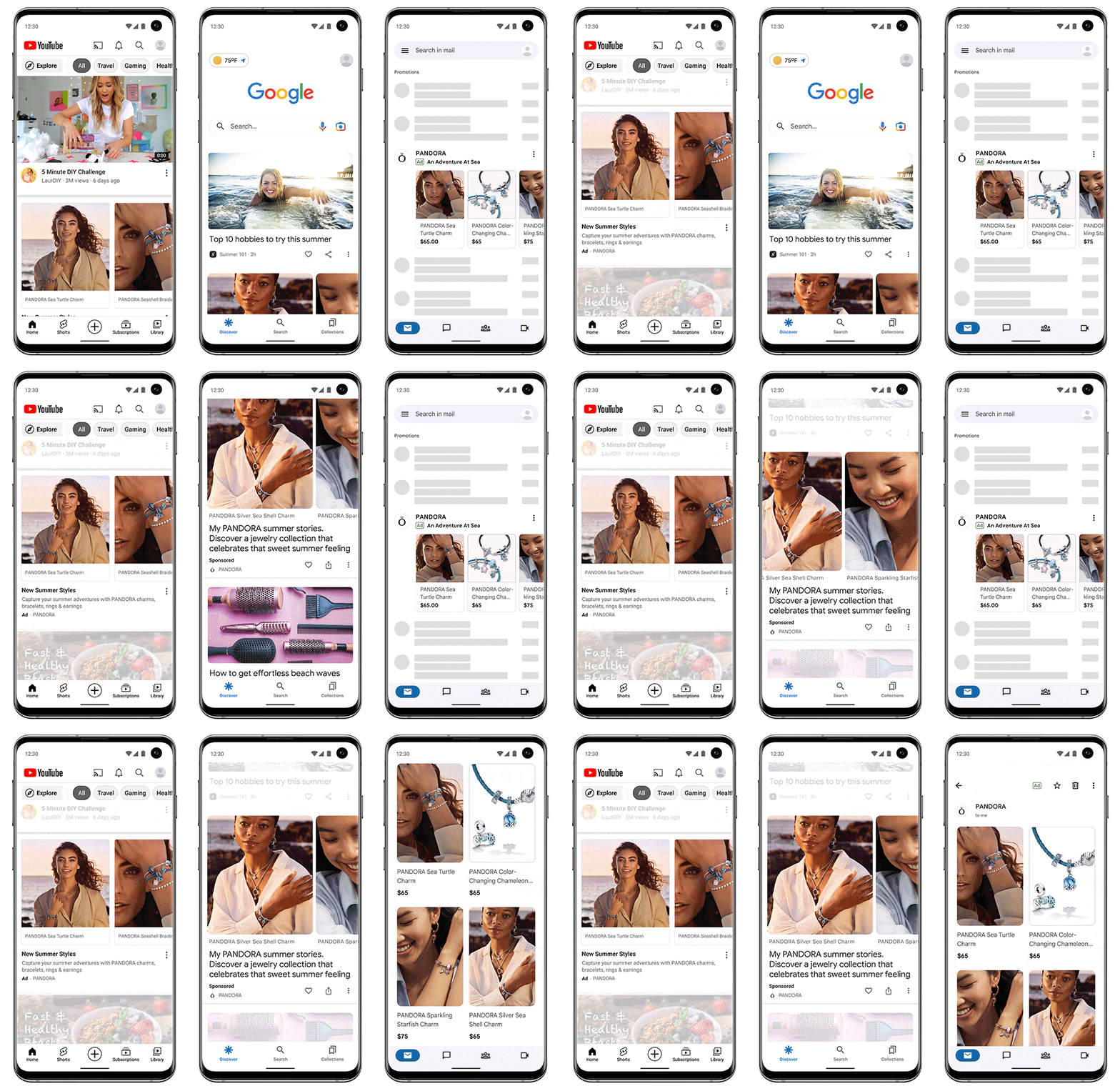
Imagine you’re scrolling through your phone, checking YouTube or your Gmail. Suddenly, you see an ad that catches your eye. It’s not just any ad; it’s something you’re interested in! That’s the magic of Google Discovery Ads.
These ads are like super-smart billboards that show up right when you’re open to new things. Instead of interrupting you, they feel like a helpful suggestion. Google uses its smartness to figure out what you like and then shows you ads for stuff you might love. It’s like having a personal shopper who knows exactly what you want before you do!
Google Discovery Ads use eye-catching pictures and stories to grab your attention. Because they show up on lots of different Google places, like YouTube and Gmail, they can reach a lot of people.
These ads aren’t just about looking good; they’re about getting results. Whether you want more people to visit your website, sign up for your service, or buy your product, Discovery Ads can help you reach your goals.
So, if you want to connect with the right people at the perfect time and make a lasting impression, Google Discovery Ads are your new best friend!
Discovery works best when you want:
- High-quality traffic with intent
- Visually strong creatives
- Conversions driven through automated bidding
What are Google Display Ads?
Think of Google Display Ads as the experienced pros of online advertising. They show up on various websites, apps, and even on Google’s platforms like YouTube and Gmail. This means your ad can be seen by millions of people in different places! You can use pictures, videos, or even just text to communicate your message.
These ads are like smart snipers. You can choose exactly who you want to see your ad. Want to reach people interested in sports? No problem. How about people who bought from you before? You can do that too! It’s like sending your ad directly to people who might like what you’re selling.
Display Ads are super flexible. You can pick a simple picture ad or one that changes based on who’s looking at it. This means you can use them for all sorts of things, like getting people to know your brand or making them buy your stuff right away.
Almost everyone on the internet will see your ad at some point. It’s like putting your brand name on a giant billboard everyone passes by. You can even show ads to people who visited your website before to remind them about you.
You can see exactly how your ad is doing. You can find out how many people saw it, clicked on it, or bought something after seeing it. So, whether you want more people to visit your website, sell more products, or just get your name out there, Display Ads can help you do it.
Display works best when you want:
- Mass exposure
- Flexible formats, including video
- Precise audience or contextual placements
Google Discovery Ads vs Display Ads
Understanding the distinctions between Discovery Ads and Display Ads helps businesses make informed decisions. Let’s explore these differences across six key factors.
| Factor | Discovery Ads | Display Ads |
| Placement | Google Discover, YouTube Home, Gmail | 3M+ websites, apps, and Google surfaces |
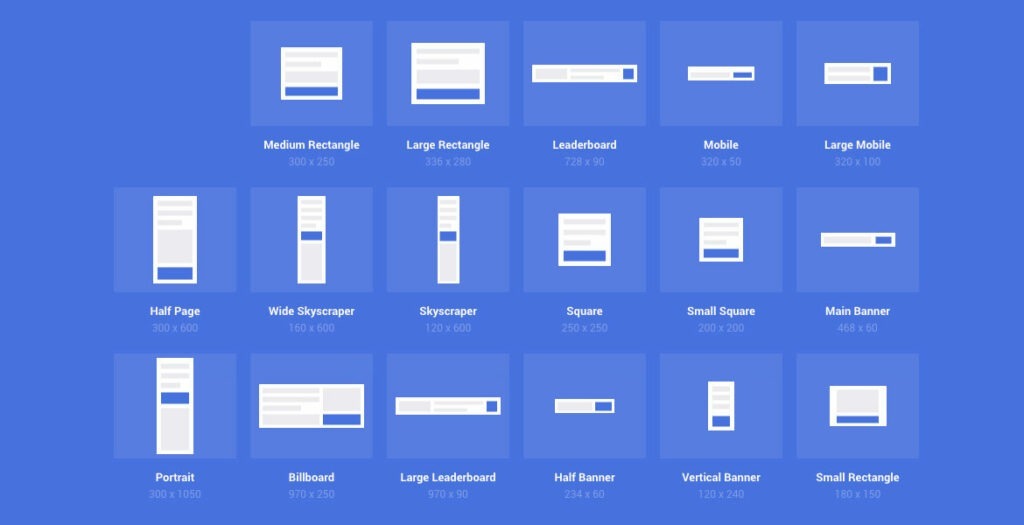
| Image Formats | Portrait 4:5, Square 1:1, Landscape 1.91:1 | Square 1:1, Landscape 1.91:1 |
| Carousel Format | Yes | No |
| Bidding | Maximise Conversions, Target CPA | Clicks, Impressions, Conversions, Value, ROAS, Manual |
| Targeting | Audience-only | Audience + Contextual |
| Creative Approach | High-impact visual storytelling | High reach with flexible layouts |
Ad Specs:
Text
| Spec Type | Discovery Ads | Display Ads |
| Headline Length | Up to 40 characters | Up to 30 characters |
| Description Length | Standard Google Ads limits | Standard Google Ads limits |
Images
| Spec Type | Discovery Ads | Display Ads |
| Supported Ratios | 4:5, 1:1, 1.91:1 | 1:1, 1.91:1 |
| Quality Requirement | High-resolution assets mandatory | High-resolution assets recommended |
Video
| Spec Type | Discovery Ads | Display Ads |
| Support | Coming soon | Supported |
Product Feeds
| Spec Type | Discovery Ads | Display Ads |
| Feed Integration | Beta available | Not available |
Targeting Techniques:
Both ad types provide access to custom audiences, in-market audiences, affinity audiences, Specific demographics, Audience segments based on life events, and People who have visited your website before.
Minor Difference:
Display ads allow both content targeting and audience targeting. Discovery ads only allow for audience targeting.
Performance Insights:
Understanding the performance metrics of Google Discovery Ads vs Display Ads is crucial for evaluating their effectiveness in achieving marketing objectives. This chapter explores real-world examples and data to provide a comprehensive performance analysis.
Benefits of Google Discovery Ads
- Brings in users who show a clearer interest
- Allows portrait images and carousels for stronger visuals
- Uses bidding that adjusts on its own to lift conversions
- Let’s you show personalised items through product feeds
Benefits of Google Display Advertising
While Discovery Ads have their unique advantages, Display Ads offer a distinct set of benefits catering to diverse advertising objectives.
-
Versatility in Bidding:
Display Ads offer a myriad of bidding options. They provide advertisers with the flexibility to align their campaigns with specific objectives, from brand awareness to lead generation.

Get weekly insights for revenue-shifting results
Sign up for our newsletter and be the first one to know about our exclusive offers, digital marketing news and updates.


-
Extensive Reach:
Display Ads can be showcased across a network of 3,000 websites and platforms. This maximises the chances of repeated brand exposure across diverse platforms.
Google Discovery Ads vs Display Ads: When to Use Which
Let us understand which type of ad will be suitable when in simple words:
Use Discovery Ads When:
- You want scalable conversions from audiences with browsing intent
- You need visually strong formats like carousels
- You’re launching new products or running mid-funnel campaigns
- You rely on automated bidding like Target CPA
Use Display Ads When:
- You want the widest reach possible
- You have videos or rich creative assets
- You need remarketing to past site visitors
- You want to promote specific offers or landing pages
Detailed Differences
Text: Discovery Ads offer a slightly more expansive headline character limit (40 characters vs. 30 for Display Ads), providing extra room to craft compelling messages.
Images: Discovery Ads support portrait-oriented images (4:5), expanding your creative possibilities beyond the standard landscape and square formats.
Video: While Display Ads currently support video, this feature is anticipated for Discovery Ads, promising enhanced visual storytelling capabilities.
Product Feeds: Discovery Ads offer a beta program allowing product feed integration, a boon for e-commerce businesses seeking to retarget potential customers or showcase new offerings.
So, which one should you choose? It depends on what you want to achieve.
- If you want to reach people who are already interested and want to make sales, Discovery Ads might be better.
- If you want to reach a lot of people and build your brand, Display Ads could be the way to go.
When should I use Discovery campaigns?
Google Discovery Ads lets you connect with potential customers in a way that’s both interesting and eye-catching. But when should you use this kind of ad? Let’s take a look.
When you want to build brand awareness and ignite curiosity
If you want to get more people to know about your brand or product and get them excited about it, Discovery Ads are a great option. They’re perfect for catching the attention of people who are looking for new things, thus building brand image and increasing curiosity among people.
When you want to reach potential customers
Discovery Ads are great for reaching people who are actively searching for new content and ideas. These ads show up in places where people are naturally curious, so they’re more likely to notice them and want to learn more.
When you want to showcase your offerings in a carousel
Want to show people several of your products, services, or benefits in one ad? Discovery Ads can use a special format called a carousel, which lets you tell a story and showcase different aspects of your offering.
When you want to acquire leads and sales using smart bidding
While Discovery Ads are good for getting people interested, they can also be very effective for generating more sales or leads. Special bidding strategies like “Maximise Conversions” or “Target CPA” allow you to set up your ads to achieve specific results, such as more sales, leads, or app installs.
In short, Google Discovery Ads are a flexible tool that can be used for many different marketing goals. By understanding what you want to achieve and who you want to reach, you can use them to get great results.
When should I use Discovery campaigns?
Display ads offer a versatile platform to connect with potential customers visually and dynamically. But when is the right time to incorporate them into your marketing strategy?
When you want to expand your reach and boost visibility
Display ads excel at showing your ads to a large audience across many websites and apps. If you want more people to know about your brand, display ads can be a great way to do that.
When you want to grab the attention of your target audience using videos and pictures
Display ads are more than just text. They’re like a billboard for your product or service, but on websites and apps. If you have cool pictures or short videos that show what you offer, display ads are a great way to use them. These eye-catching formats can grab people’s attention and make them remember you.
When you want to promote specific content or offers
If you want to drive traffic to a specific landing page or promote a limited-time offer, nothing can beat Display ads. Such ads can target users based on their interests and online behaviour, increasing their chances of clicking through to your desired destination.
ROI on Google Discovery Ads vs Display Ads
Google Discovery Ads
Discovery Ads are designed to seamlessly integrate into users’ daily routines. They appear on platforms like Google Discover, YouTube Home Feed, and Gmail, capturing attention in a non-intrusive manner.
Key Benefits:
Highly Personalised: Leveraging Google’s AI, these ads deliver tailored content to users, increasing engagement.
Vast Reach: With a potential audience of over 3 billion users, Discovery Ads offer unparalleled scale.
Visual Appeal: The ad format supports stunning visuals, making it ideal for showcasing products or services.
ROI Considerations:
Cost-Effective: Discovery Ads often come with lower costs per click (CPC), making them budget-friendly.
Strong Conversions: Due to their personalised nature, these ads tend to drive higher conversion rates.
Ideal for Awareness and Consideration: Perfect for introducing new products or building brand awareness.
Google Display Ads
Display Ads are more traditional banner ads that appear across a vast network of websites, apps, and Google-owned properties. They offer a versatile approach to reaching a wide audience.
Key Benefits:
Extensive Reach: Display Ads can be seen by millions of users across various platforms.
Diverse Ad Formats: From text-based to video ads, there’s a format to suit every campaign.
Advanced Targeting: Precise audience segmentation is possible through demographic, contextual, and behavioural targeting.
ROI Considerations:
Brand Awareness: Display Ads excel at building brand visibility and recognition.
Retargeting Opportunities: Ideal for re-engaging previous website visitors.
CPM Pricing: Cost per thousand impressions (CPM) pricing model, suitable for campaigns focused on impressions rather than clicks.
Here’s a quick comparison:
| Feature | Google Discovery Ads | Google Display Ads |
| Cost-Efficiency | Lower CPC | Higher CPM |
| Engagement | Higher engagement rates | Lower engagement rates |
| Conversions | Stronger conversion potential | Effective for retargeting and brand awareness |
| Audience Intent | Captures users in a discovery mindset | Reaches a broader audience |
Conclusion:
The choice between Google Discovery Ads vs Display Ads demands a nuanced understanding of their unique features and suitability for specific marketing goals. By navigating through the intricacies outlined in this guide, advertisers can make informed decisions that align with their advertising objectives. This ensures a strategic and impactful online presence.
For professional help in managing Google Ads campaigns, consider engaging with a reputable Google Ads agency in Melbourne that specialises in effective ad management services. These experts can navigate the complexities of Google Ads. They ensure optimal performance and results for your advertising endeavours.
This guide will equip marketers with the knowledge needed to navigate the intricate world of Google Discovery Ads vs Display Ads. This enables them to make informed decisions and achieve unparalleled success in their digital advertising endeavours.
FAQs:
Where do Google Discovery ads show?
Google Discovery ads only appear on platforms owned by Google. It utilises Google AdSense for placements. These platforms include various websites and applications that leverage Google AdSense to generate revenue. Display ads have a broader reach across the Google Display Network and other partner websites. Discovery ads maintain a more confined presence. This ensures exposure on Google-owned properties for a more targeted impact.
What are the different types of Google Discovery ads?
Google Discovery ads come in various formats to cater to diverse advertising needs. The formats include single-image ads, multi-image carousel ads, and collection ads. Single-image ads feature a compelling image. Multi-image carousels allow brands to showcase many images, headlines, and links in a single ad unit. Collection ads take it a step further. It provides an immersive experience by combining images and videos to tell a more comprehensive brand story. These versatile formats empower advertisers to choose the most suitable style for conveying their message and engaging their target audience.
When should you use display ads?
Display ads are most effective when the goal is to build brand awareness. They are useful for reaching a general audience based on demographics, interests, and online behaviour. If the goal is to prompt actions such as form submissions or visits to a brand's page, Display ads prove to be an excellent choice. Display ads are versatile, offering a range of bidding options, making them well-suited for various objectives, including boosting sales, generating leads, or conducting general brand awareness campaigns.
How do Google Discovery Ads work compared to Display Ads?
- Discovery Ads target users browsing for new things on platforms like YouTube and Gmail, using visually appealing formats that blend into the content feed. Google's machine learning tailors these ads to users' interests and online behaviour.
- Display Ads cast a wider net, appearing across millions of websites. They come in various formats and use different targeting methods, like demographics and past browsing activity, to reach a broad audience and influence brand awareness or conversions.
Which is more cost-effective: Google Discovery Ads or Display Ads?
When it comes to cost-efficiency, both Google Discovery Ads and Display Ads have their strengths.
Discovery Ads, with their engaging format and placement on popular platforms, might lead to lower customer acquisition costs. This makes them ideal for brands focused on user discovery.
Display Ads offer more budget control and targeting flexibility. While less expensive overall, their cost-effectiveness depends on how you target your audience and the competition within the vast display network.
Can I use both Google Discovery Ads and Display Ads in my marketing strategy?
Absolutely. For a well-rounded marketing strategy, consider using both Google Discovery Ads and Display Ads.
Discovery Ads put you in front of people who are actively looking for products or services similar to yours in the same industry.
Display Ads excel at reaching a broad audience, retargeting website visitors, and keeping your brand visible across a vast network.
This combined approach maximises brand awareness, user engagement, and conversion opportunities.
What are the targeting options for Google Discovery Ads vs. Display Ads?
Google Discovery Ads and Display Ads offer distinct targeting options to reach your ideal audience.
Discovery Ads focus on user intent with options like interest targeting based on browsing habits and custom intent audiences actively looking for your offerings and demographics. They also allow targeting users with a long-term affinity for your industry.
Display Ads provide more control over ad placement. You can target websites based on their content (contextual targeting and topics), choose specific websites or apps (placement targeting), and retarget users who have already visited your site.
Both offer demographic and interest targeting, with Display Ads allowing for more granular control in this area.
How do Google Discovery Ads and Display Ads differ in terms of ad placement?
- Discovery Ads appear on high-engagement platforms like YouTube and Gmail, seamlessly fitting into user feeds for a less disruptive experience.
- Display Ads have a wider reach, appearing on millions of websites and apps. You can choose specific placements, target ads based on the surrounding content, or leverage various formats like banners and text for the greatest flexibility.
What types of businesses benefit most from Google Discovery Ads compared to Display Ads?
Deciding between Google Discovery Ads and Display Ads depends on your marketing goals.
Discovery Ads showcase products visually and drive user engagement, making them ideal for e-commerce, brand awareness campaigns, and lifestyle or entertainment industries. They're also effective for promoting new apps.
Display Ads offer broader reach and precise targeting. This makes them suitable for B2B marketing, targeting local audiences, and promoting service-based businesses. They also allow for retargeting and reaching niche markets with laser focus.
How do you measure the success of Google Discovery Ads vs. Display Ads campaigns?
Both Google Discovery Ads and Display Ads offer a range of metrics to track your campaign's effectiveness.
For Discovery Ads:
1. Focus on engagement metrics like click-through rates, interaction rates, and view rates to gauge user interest.
2. Track conversion metrics like cost per acquisition, conversion rate, and ROAS to measure campaign profitability.
3. You can also measure brand lift through surveys to understand the impact on brand awareness and consideration.
For Display Ads:
1. Engagement metrics like click-through rates, time spent on site, and bounce rate give insights into user behaviour after clicking the ad.
2. Conversion metrics remain crucial (CPA, conversion rate, and ROAS)
3. Display Ads allow tracking view-through conversions, where users see the ad but convert later without clicking.
Analysing these metrics for both ad types helps you determine which one delivers better results for your goals, allowing for strategic adjustments and campaign optimisation.
In search for strategic sessions?
Let us understand your business thoroughly and help you
strategies your digital product.




It's time to call your business-
a brand!
 Australian Owned Agency
 Save Time and Money
 Unbeatable Value
 Where Work Gets Done
free Ecommerce SEO guide for Higher Sales & Conversion

THE ULTIMATE MARKETING GUIDE FOR LAWYERS
Youtube Ads Guide How to Advertise on Youtube
free Ecommerce SEO guide for Higher Sales & Conversion
It's time to call your business-
a brand!
- Australian Owned Agency
- Save Time and Money
- Unbeatable Value
- Where Work Gets Done


The Game-Changing Ecommerce SEO Guide That Will Blow Your Mind & Sales
With this Ecommerce SEO Guide, you'll be able to:
- Develop a Ecommerce SEO strategy.
- Build a content marketing strategy that aligns with your business goals.
- Convert your website visitors into paying customers.

Youtube ads guide how to advertise on youtube
With this Youtube ads Guide, you'll be able to:
- Develop a Youtube ads strategy.
- Build a type of ads of your own that aligns with your business goals.
- Generate revenue from youtube ads.
It's time to call your business-
a brand!
- Australian Owned Agency
- Save Time and Money
- Unbeatable Value
- Where Work Gets Done